
Public accountability · AFRINIC
Who answers for AFRINIC’s power?
A communiqué carries an institution’s name. Decisions carry individual responsibility. NRS asks the people identified in its public record to explain the authority they claim and the consequences for the networks that depend on AFRINIC.
The people in the record
Nine profiles connect names, roles, public sources and NRS’s questions. NRS disputes the authority of the Board described below.
Each entry shows the language of its full text.

Receiver
Gowtamsingh Dabee
Full profile in English
Read the profile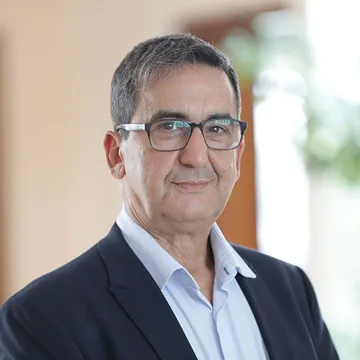
Seat 1 · Northern Africa
Abdelaziz Hilali
Board challenged by NRS
Full profile in English
Read the profile
Seat 2 · Western Africa
Emmanuel Adewale Adedokun
Board challenged by NRS
Full profile in English
Read the profile
Seat 3 · Indian Ocean
Kaleem Ahmed Usmani
Board challenged by NRS
Full profile in English
Read the profile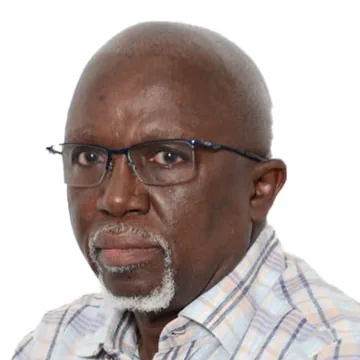
Seat 4 · Central Africa
Kayemba Laurent Ntumba
Board challenged by NRS
Full profile in English
Read the profile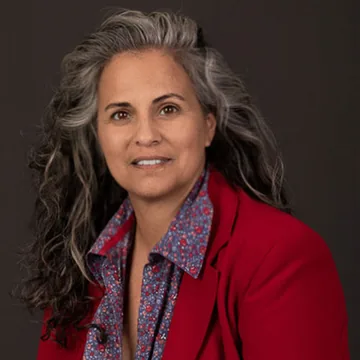
Seat 5 · Southern Africa
Carla Sanderson
Board challenged by NRS
Full profile in English
Read the profile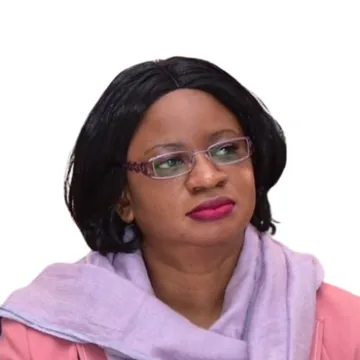
Seat 6 · Eastern Africa
Fiona Asonga
Board challenged by NRS
Full profile in English
Read the profile
Seat 7 · Non-regional
Benjamin Mark Roberts
Board challenged by NRS
Full profile in English
Read the profile
Seat 8 · Non-regional
Ajao Adewole David
Board challenged by NRS
Full profile in English
Read the profile
Three questions. Individual answers.
No collective shield.
Members deserve to know who stands behind decisions that can affect their IP addresses, customers and business. NRS calls on each named individual to answer in their own name: what did you approve, under what authority, and how will members’ rights be protected?
Ordinary address use
Do you personally support using anti-leasing rhetoric against the ordinary address-use model every ISP, cloud provider, telecom and hosting company depends on?
Power over live networks
Are you personally prepared to let AFRINIC use its registry chokepoint power to threaten, freeze, delegitimise or destroy members’ live Internet operations?
The authority to speak
Who is lawfully speaking for AFRINIC: the Receiver, the purported Board, or a circular combination of both?
Original page published ·
What the source records
This index builds on NRS’s public page of 11 June 2026. The questions and the challenge to the Board’s authority are NRS’s position; each profile links the public references behind it.
NRS put these questions to the named individuals and will publish every reply it receives.
Answers and corrections, with their sources, can be sent to NRS at any time.
Send a response or correction →