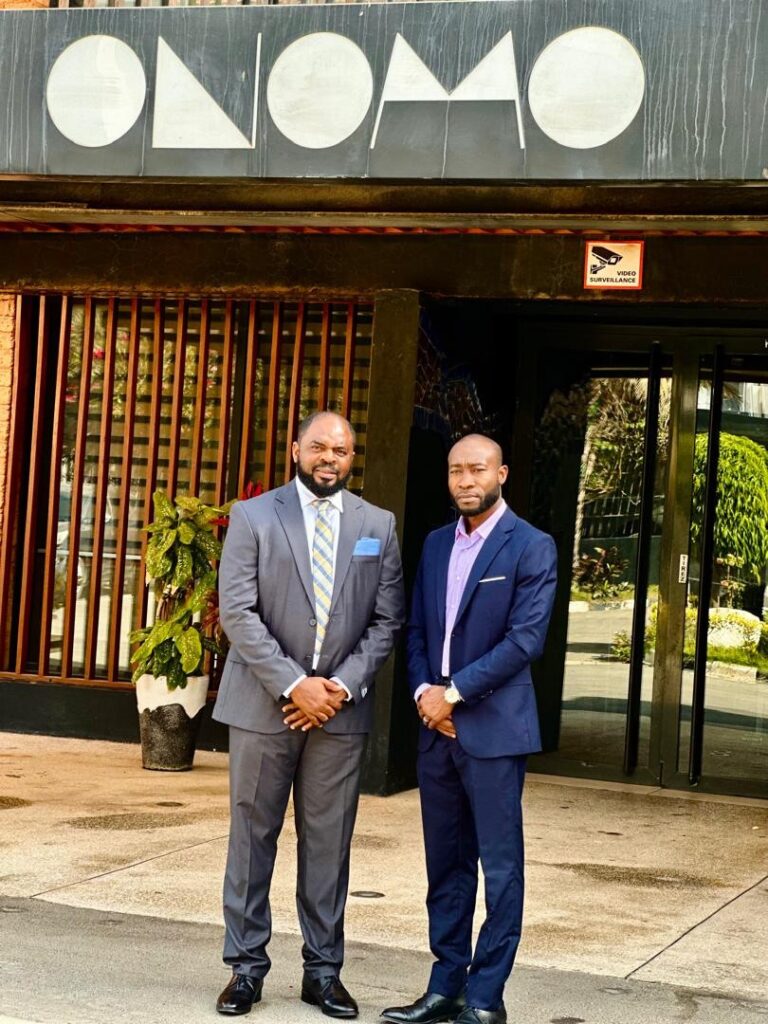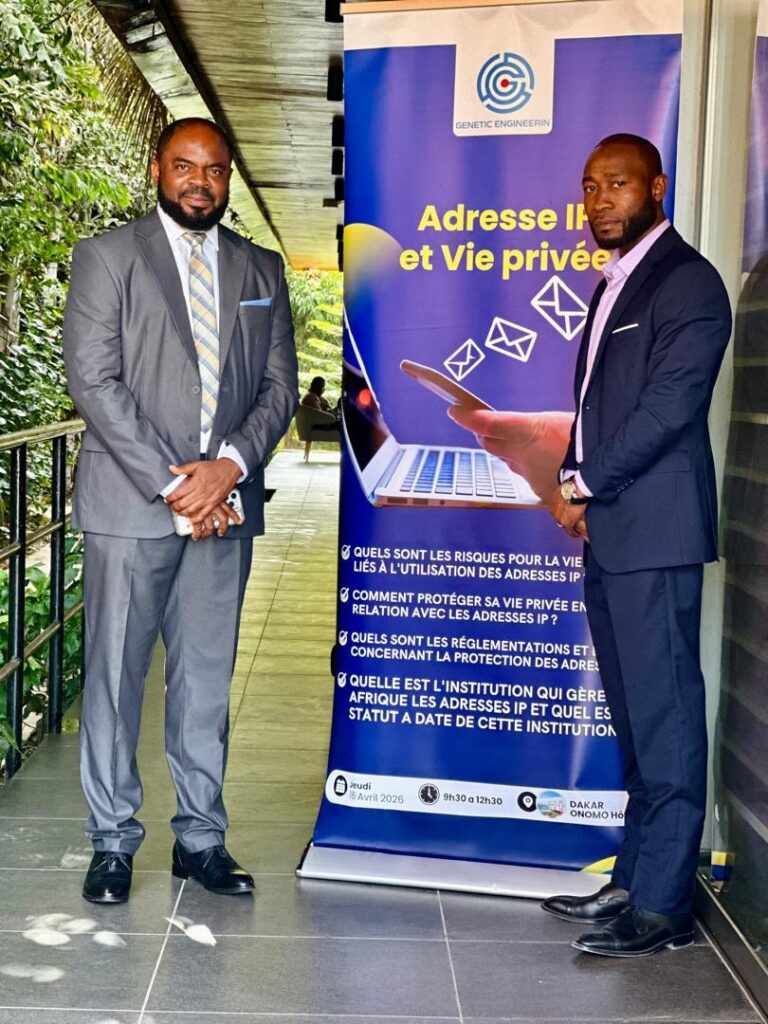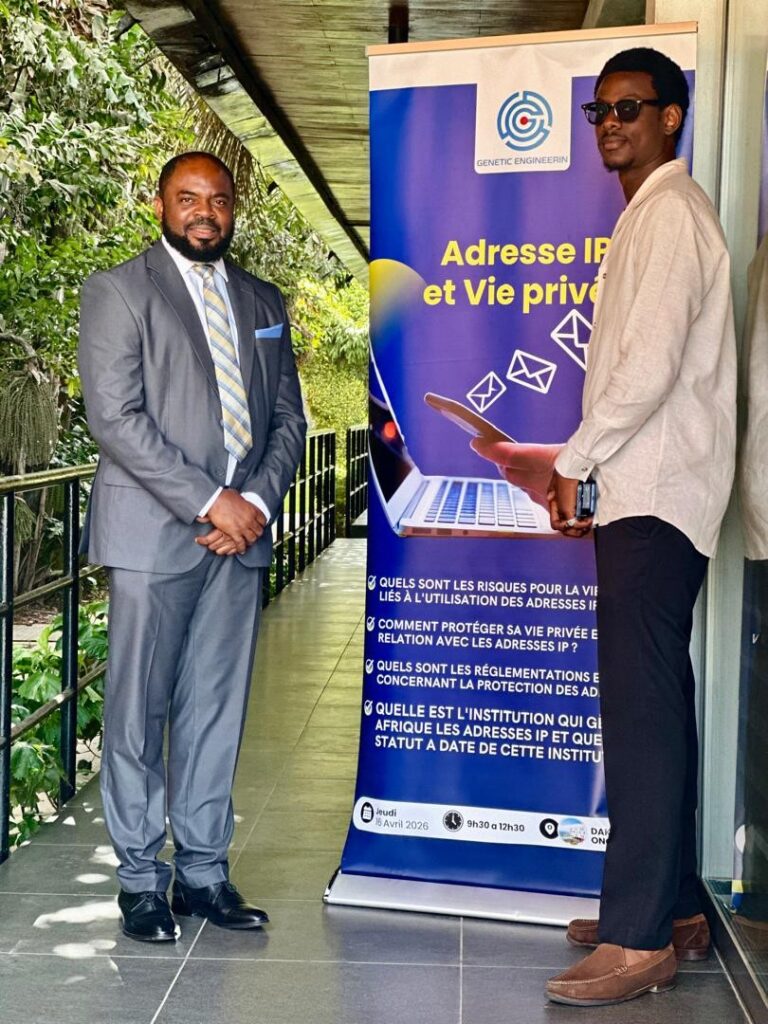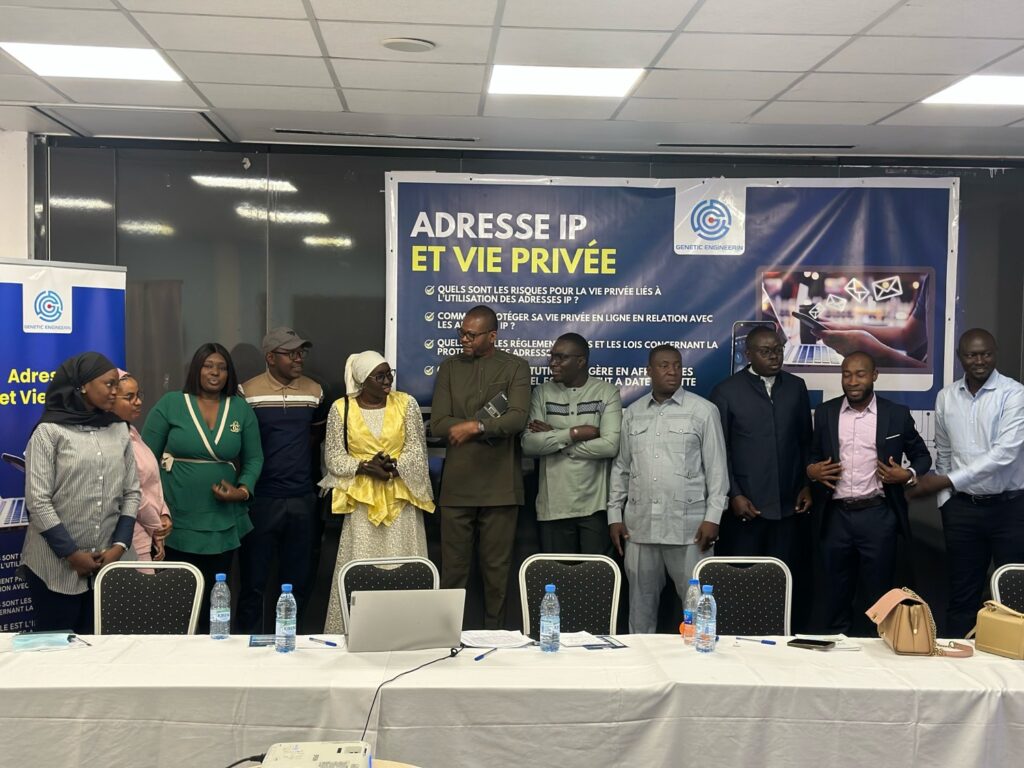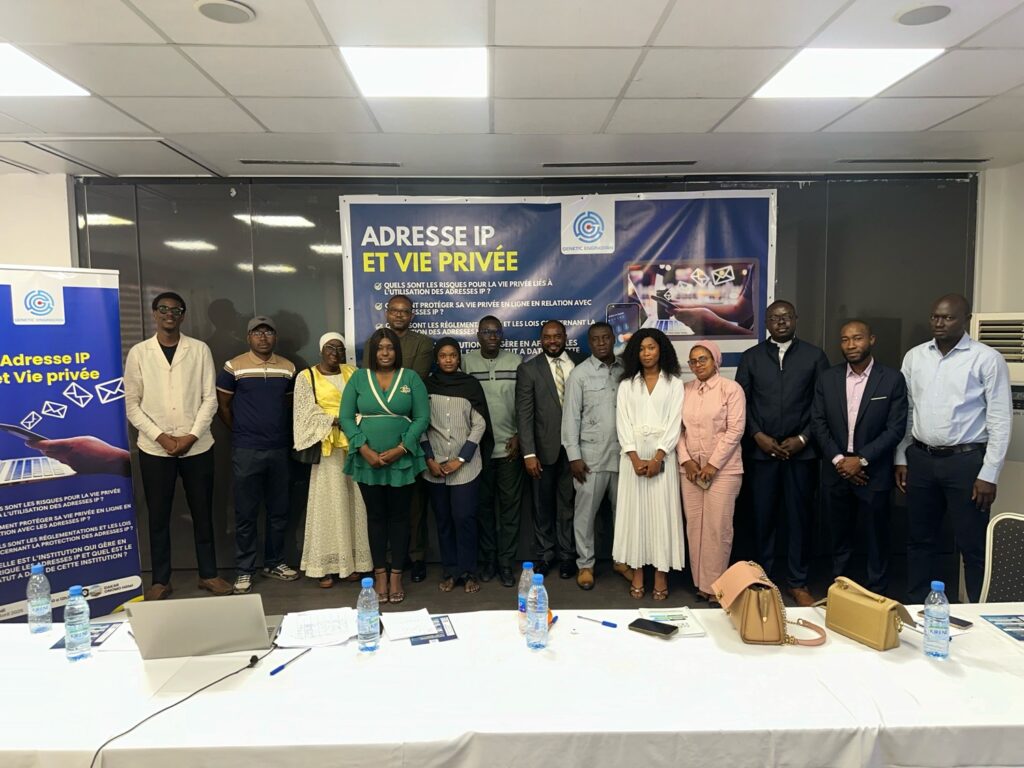
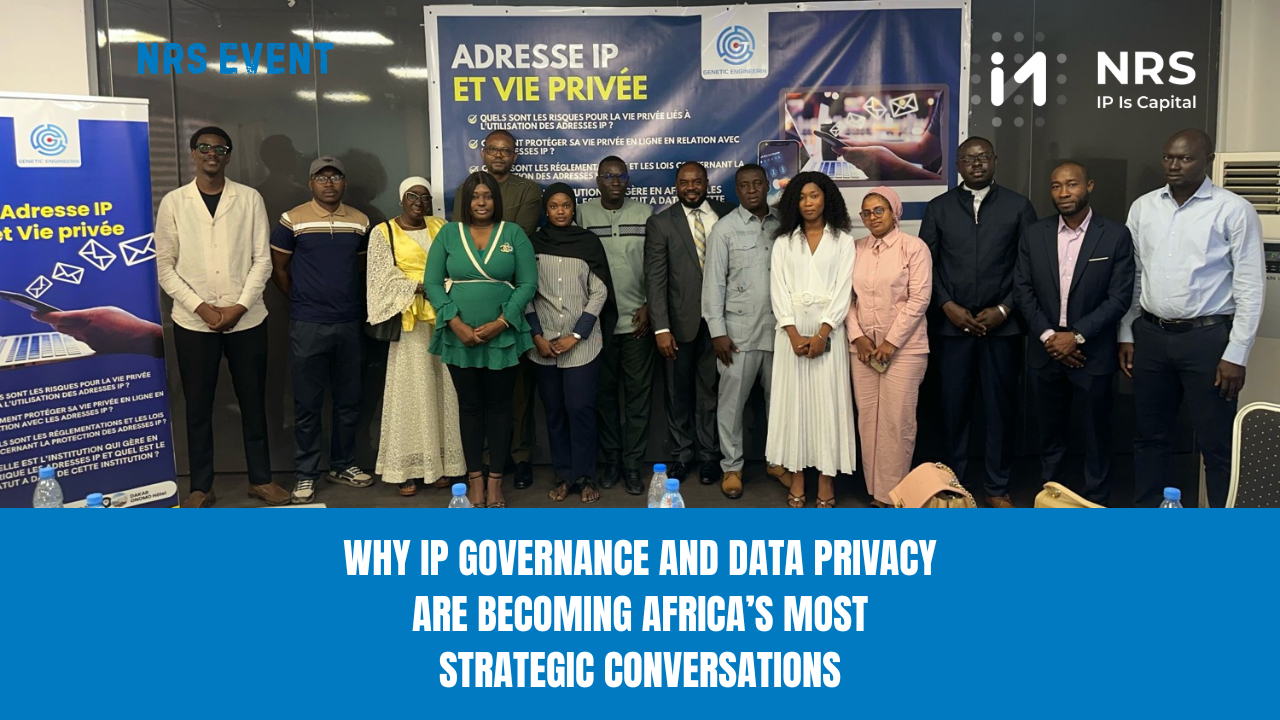
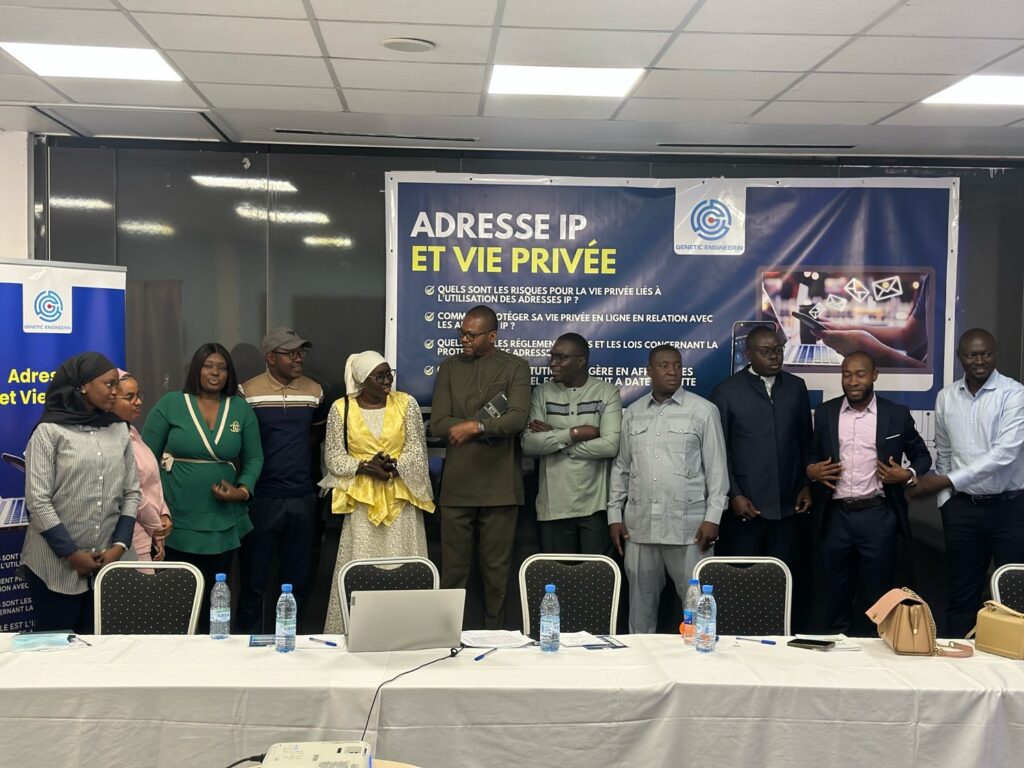
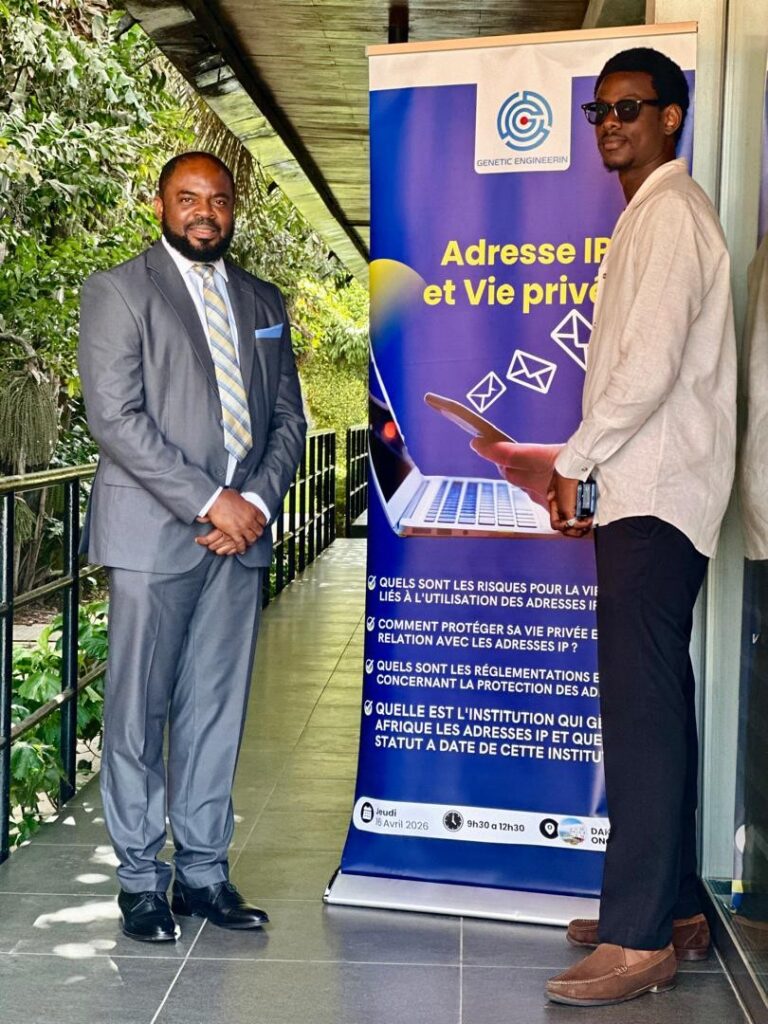
On April 16, 2026, in Dakar, Senegal, a quiet but critical conversation unfolded, one that speaks directly to the future of Africa’s digital infrastructure. Hosted at the Onomo Hotel Dakar, the seminar titled “IP Addresses & Privacy: Risks, Protection & Regulatory Frameworks” brought together telecom leaders, ISP executives, and digital policy stakeholders for a focused discussion on an often-overlooked reality: the invisible systems shaping the internet are now at the center of risk, regulation, and opportunity.
This was not just another industry gathering. It was a signal.
Where infrastructure meets risk
At the heart of the seminar was a powerful shift in perspective. IP addresses, once seen purely as technical resources, are now understood as sensitive digital identifiers with real implications for privacy, security, and sovereignty.
Across the morning sessions, participants explored:
- The privacy risks tied to IP address exposure, including tracking, identification, and misuse
- Real-world risk scenarios affecting both users and network operators
- Best practices for safeguarding privacy, from technical configurations to organizational policies
- The evolving regulatory landscape, and what compliance means for ISPs today
- The governance of IP resources in Africa, including growing concerns around institutional stability
What emerged clearly is this: the conversation around IP addresses is no longer technical—it is strategic, legal, and deeply operational.
A room engaged, a market awakening
With 18 in-person participants and 9 joining virtually, the session maintained a highly engaged and focused atmosphere. But numbers alone don’t tell the full story.
The room was filled with decision-makers:- ISP executives, telecom professionals, and infrastructure leaders, individuals directly responsible for how networks are built, secured, and governed.
Engagement was not passive. It was sharp, practical, and urgent.
Participants raised critical questions:
- What are the legal responsibilities of ISPs when it comes to user data?
- How exposed are networks to privacy-related risks through IP tracking?
- Can current governance structures be trusted to ensure long-term stability?
These were not theoretical discussions. They reflected real operational concerns—and a growing awareness that the status quo may no longer be sufficient.
The shift: from awareness to urgency
One of the most striking outcomes of the seminar was the level of awareness already present in the room. Stakeholders are no longer asking if privacy and governance matter, they are asking how to respond.
Key insights included:
- A strong recognition of privacy risks linked to IP usage
- Increasing pressure around data protection and regulatory compliance
- A clear knowledge gap in governance frameworks, especially at the regional level
- Rising interest, and concern, around the role and stability of AFRINIC
This signals a market in transition: informed, cautious, but actively seeking direction.
Building trust before transactions
While the technical discussions were robust, one underlying theme stood out even more: trust.
In emerging and evolving markets like Senegal, decisions are rarely immediate. They are built on relationships, credibility, and sustained engagement.
Participants valued:
- The clarity of complex concepts, broken down into practical insights
- The direct relevance to their day-to-day operations
- The opportunity to engage openly, ask questions, and challenge assumptions
This is where real influence begins, not with a single event, but with consistent presence and follow-through.
From conversation to conversion
Beyond dialogue, the seminar also delivered tangible outcomes:
- Multiple follow-up discussions initiated with ISPs.
- Identified opportunities for:
- Technical workshops
- Governance advisory sessions
- Long-term collaboration frameworks
These are not just leads, they are early indicators of a market ready to move from awareness to action.
Why this matters now
Africa’s digital future is being shaped right now, not just by infrastructure expansion, but by how that infrastructure is governed, secured, and trusted.
Events like this highlight a critical reality:
The value of the internet is no longer just in access, but in control, protection, and long-term stability.
Senegal, in particular, is emerging as a strategically important and mature market, where awareness is high, questions are sharp, and the appetite for structured engagement is real.
The road ahead
The Dakar seminar did more than inform; it validated a direction.
It confirmed that:
- The demand for IP governance education is growing
- Stakeholders are ready for deeper, structured engagement
- Long-term success will depend on a relationship-driven strategy, not one-off interactions
The next step is clear: move from insight to implementation. From conversation to commitment.
Because in today’s internet landscape, those who understand and control the foundations will define the future.